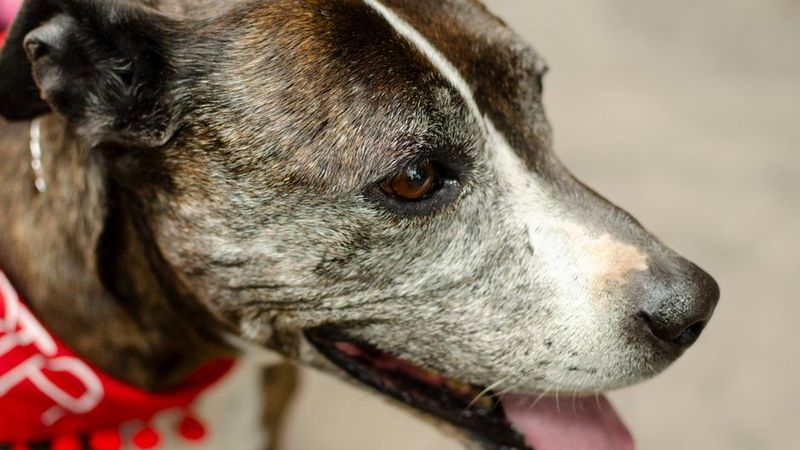
A senior dog does not need a completely different routine, but almost every part of its existing one benefits from some adjustment. The exact age this starts varies by size, since large breeds tend to enter their senior years around six to eight, while small breeds often stay middle-aged until ten or beyond, but the direction of the changes is similar across sizes.
This article covers routine adjustments only, not treatment of age-related illness. Any new limping, confusion, significant weight change, or behavior shift in an older dog deserves a veterinary visit rather than a routine fix, since those can signal a medical issue beyond normal aging.
Adjusting Exercise
Senior dogs generally keep benefiting from daily movement, but the shape of that movement usually needs to change. Many older dogs do better with two or three shorter walks spread through the day instead of one long outing, since shorter sessions put less strain on joints while still meeting the dog's total activity needs. A slower pace, more frequent stops, and softer surfaces like grass instead of pavement all tend to be more comfortable for aging joints.
Watching how a dog recovers after activity matters more with age. A senior dog that seems noticeably stiff or slow an hour after a walk it handled easily a year earlier is a sign to shorten or lighten future sessions, and a sudden reluctance to do a walk or activity the dog previously enjoyed is worth mentioning to a veterinarian rather than assuming it is simply aging normally.
Adjusting Feeding
Metabolism commonly slows with age, and a senior dog kept on the same portions as its younger self can gain weight even with lower activity levels. Many owners find that splitting the same daily amount into smaller, more frequent meals, such as moving from two meals to three, feels more comfortable for a senior dog's digestion, though this varies by individual dog.
Weight is easier to lose track of as activity declines gradually, so a regular check, either a visual and hands-on feel along the ribs and waist or an occasional scale weigh-in, helps catch a slow weight change early. Any specific question about calorie needs, diet changes, or supplements for a senior dog belongs with a veterinarian, since the right answer depends on the individual dog's health.
Adjusting Grooming
A senior dog's skin tends to get drier and thinner, and grooming sessions sometimes need to get gentler even as they may need to happen just as often or more. Softer brushes, shorter sessions, and extra attention to any new lumps, dry patches, or sore spots found while brushing all fit a senior grooming routine better than an unchanged younger-dog approach.
Nail care often becomes more important, not less, since senior dogs frequently walk less on hard surfaces that naturally file nails down, and overgrown nails can affect an aging dog's already-changing gait more noticeably than a younger dog's. Mobility issues can also make standing still for grooming or nail trims harder, so a non-slip mat and a willingness to grind through a session in shorter stretches tend to help.
Adjusting the Home Setup
A home that worked fine for a younger dog sometimes becomes harder to navigate as joints stiffen or vision and hearing decline. A few changes tend to make the biggest difference for comfort and safety.
| Area | Common senior adjustment |
|---|---|
| Flooring | Rugs or non-slip mats over hardwood or tile in high-traffic paths |
| Furniture access | Pet ramps or steps for beds and couches instead of jumping |
| Bedding | Orthopedic or extra-cushioned beds for joint support |
| Stairs | A baby gate or ramp if stairs become difficult or risky |
| Food and water bowls | Raised slightly off the floor if bending down is uncomfortable |
Keeping furniture and bowl locations consistent also matters more for a senior dog with declining vision or hearing, since a stable layout is easier to navigate from memory.
Adjusting Daily Structure and Rest
Senior dogs generally sleep more and recover more slowly from a busy day than they did as younger adults. Building more rest time into the daily schedule, and avoiding stacking multiple demanding activities, like a long walk and an energetic visitor, on the same day, tends to keep an older dog more comfortable overall.
Consistency becomes more valuable, not less, with age. A senior dog that already relies on routine to feel secure often shows more anxiety than a younger dog when a schedule shifts unexpectedly, so holding meal times, walk times, and bedtime steady helps more at this stage than it did earlier in the dog's life.
When a Routine Change Isn't Enough
Normal aging and a developing health issue can look similar at first glance, which is why routine adjustments should not be the only response to a significant change in a senior dog. Sudden confusion, noticeable weight loss or gain, new limping, increased accidents in a previously house-trained dog, or a significant drop in interest in food or activity all warrant a veterinary visit rather than a routine fix.
Many dogs benefit from more frequent veterinary checkups once they reach their senior years, often every six months instead of annually, specifically because age-related issues are easier to manage when caught early. Adjusting the daily routine and keeping up with veterinary care work together, not as substitutes for one another.
Common mistakes
- Keeping a senior dog on the same portion sizes as a younger adult despite lower activity
- Assuming reluctance to walk or climb stairs is just old age without ruling out a medical cause first
- Switching straight to one long walk a day instead of splitting activity into shorter, more frequent sessions
- Letting nail length slide because the dog is less active, when overgrown nails affect gait more at this stage, not less
- Changing a senior dog's schedule or furniture layout abruptly instead of keeping it stable
Frequently asked questions
At what age is a dog considered a senior?
It varies by size: large and giant breeds often reach senior status around six to eight years old, while small breeds commonly stay middle-aged until ten or later.
Should a senior dog's exercise stop if it seems less active?
Generally no; most senior dogs still benefit from regular movement, just in shorter, gentler sessions rather than stopping activity altogether.
How often should a senior dog see the vet?
Many veterinarians recommend checkups every six months for senior dogs instead of the annual visit typical for younger adults, to catch age-related changes early.
Is weight gain normal as a dog ages?
Some metabolic slowdown is common, but ongoing weight gain is usually a sign that portions or activity need adjusting, and significant changes are worth discussing with a veterinarian.