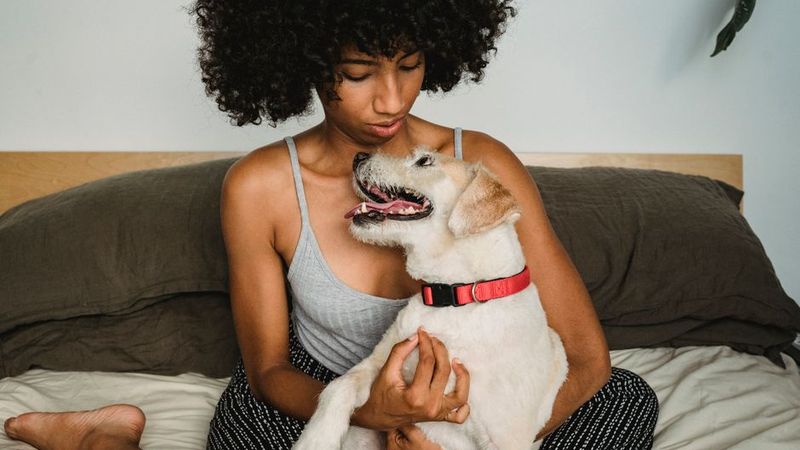
Picking a first dog is less about finding the cutest breed and more about finding one that matches a life you haven't lived with a dog in it yet. Every breed description sounds appealing in isolation. The real test is whether you can deliver what that specific dog needs on an ordinary Tuesday, three years from now, when the novelty has worn off.
This guide walks through the factors that matter most for someone who has never managed a dog's exercise, training, or grooming before. It isn't a ranked list of "best first dogs," because the right answer depends on your schedule, your home, and your patience for training, not on a universal chart.
Start With Trainability, Not Looks
First-time owners usually underestimate how much training shapes the early experience of dog ownership. A breed with high trainability, meaning it tends to learn commands quickly and responds well to consistent, reward-based handling, forgives a beginner's mistakes. A breed bred for independent decision-making, like many terriers and hounds, can still become a wonderful companion, but it often takes more patience, more consistency, and sometimes professional training help to get there.
Look at a breed's trainability score as a proxy for how steep the learning curve will be for you, the handler, not just the dog. Golden Retrievers, Labrador Retrievers, and Standard Poodles sit at the high end and are commonly recommended for first-time owners for this reason. Breeds like the Basenji, Akita, or Chow Chow can be loving and loyal, but they typically need an owner who already has some dog-handling experience or who is willing to invest heavily in professional guidance from day one.
Match Exercise Needs to Your Actual Week
Be honest about the week you actually live, not the week you plan to live once you get a dog. A high-energy breed that needs sixty to ninety minutes of real exercise daily, such as a Border Collie or a German Shorthaired Pointer, will develop behavior problems like destructiveness or excessive barking if that need goes unmet. These are working breeds bred for a job, and a first-time owner without that time commitment is setting both the dog and themselves up to struggle.
A moderate-energy breed is often the safer first choice. It still needs daily walks and play, but the consequences of an occasional short day are less severe. If your week includes long work hours and limited outdoor time, a lower-energy breed like a Bulldog or a Basset Hound may fit better than an athletic sporting or herding breed, even if the sporting breed is marketed as more family-friendly.
Size and Strength Matter More Than You'd Think
A first-time owner hasn't yet learned how to read a dog's body language or manage leash pressure instinctively. A large, strong breed that pulls hard on a leash, like a young Rottweiler or Doberman Pinscher, can be physically difficult to control before training is solid. That doesn't rule out big dogs for beginners, but it does mean sizing up the breed's strength and typical pulling tendency against your own physical ability to handle it safely during the first year.
Smaller and mid-sized breeds reduce the physical stakes of early mistakes. A untrained 20-pound dog pulling on a leash is a minor inconvenience; a untrained 90-pound dog doing the same thing can pull a person down. This is one reason moderate-sized, biddable breeds show up so often on first-dog recommendations.
A Simple Framework: Score Your Life Before You Score a Breed
Before comparing breeds, write down four numbers about your own life on a scale of 1 to 5: hours of free time per day for exercise and play, your patience for repetitive training sessions, your tolerance for shedding and grooming upkeep, and how much quiet your household or neighbors need. Then compare that profile against a breed's published traits.
| Your Life Factor | Low Score (1-2) Points Toward | High Score (4-5) Points Toward |
|---|---|---|
| Daily free time for exercise | Lower-energy breeds (Bulldog, Basset Hound) | Higher-energy breeds (Labrador Retriever, Border Collie) |
| Patience for training | Highly trainable breeds (Poodle, Golden Retriever) | More independent breeds can work with effort |
| Tolerance for grooming/shedding | Low-shedding, low-grooming coats | Heavier coats and shedding become manageable |
| Need for a quiet household | Lower barking-tendency breeds | More vocal breeds become tolerable |
This exercise forces you to choose the breed that fits your real life rather than an idealized one, which is the single biggest predictor of a successful first dog.
Consider the Household, Not Just Yourself
If you share a home with children, roommates, or elderly family members, their needs belong in the decision too. A breed with a high child-friendly score and a gentle, patient temperament reduces risk in a busy household, while a breed that's naturally more reserved with strangers may need more careful, gradual introductions. Apartment living adds another layer: breeds with a low apartment-fit score generally need more space, a yard, or significantly more daily exercise to stay content indoors.
You can compare breeds side by side on these exact traits once you've narrowed your options to two or three candidates, which makes the final decision far less abstract.
Budget for the Whole Dog, Not Just the Adoption Fee
First-time owners often budget for food and an initial vet visit, then get surprised by ongoing costs. Grooming breeds with high-maintenance coats, such as Standard Poodles or Shih Tzus, typically need professional grooming every four to six weeks, which adds up over a dog's lifetime. Larger breeds eat more and often have higher costs for medication, boarding, and veterinary procedures simply due to body weight. Factor these ongoing costs into your decision alongside the dog's size and coat type, not just the purchase or adoption price.
Common mistakes
- Choosing a breed based on a single photo or video without researching its actual exercise and training needs, which leads to a mismatch that surfaces within the first few months.
- Assuming a smaller dog automatically means an easier first dog, when some small breeds have strong, vocal, or stubborn temperaments that still require real training effort.
- Underestimating grooming time for a visually appealing coat, then feeling overwhelmed by brushing or professional grooming bills within the first year.
- Picking a high-energy working or herding breed because it is popular, without the daily hour-plus of structured exercise that breed actually needs to stay well-behaved.
- Ignoring the household's full context, including children, other pets, or a small apartment, and choosing a breed that fits the owner's preferences but not the shared living space.
- Expecting training to happen passively, when even highly trainable breeds need consistent, repeated practice from a first-time owner to reach good manners.
Frequently asked questions
Is a small dog always easier for a first-time owner than a large dog?
Not necessarily. Some small breeds are strong-willed, vocal, or prone to anxiety, which can be just as challenging as managing a large dog's size and strength. Trainability and energy level matter more than size alone for a first-time owner's experience.
Should a first-time owner choose a puppy or an adult dog?
Adult dogs can be a strong option for first-time owners because their adult temperament and energy level are already visible, removing some of the guesswork involved in raising a puppy. Either path can work well with research and the right breed match.
How long does it typically take a first-time owner to settle into a routine with a new dog?
Most households need several weeks to a few months to establish consistent routines around feeding, exercise, and training, and a full adjustment period of around three to six months is common. Breeds with higher trainability generally shorten this adjustment period.
Does breed matter more than training for a first dog's behavior?
Both matter, but breed sets the baseline tendencies a first-time owner is working with, including energy level and independence, while consistent training determines how well those tendencies are channeled. Choosing a breed that matches your training patience makes the process easier from the start.