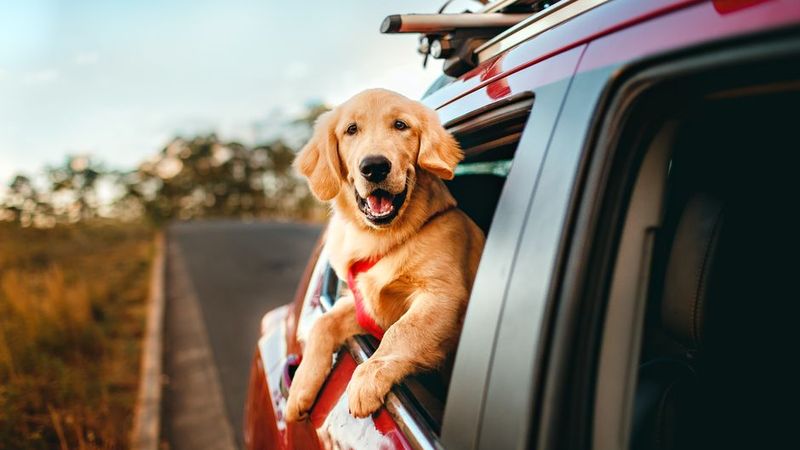
A car is the easiest way to travel with a dog, but easy doesn't mean effortless. The difference between a smooth road trip and a stressful one usually comes down to two things: what you packed, and whether your dog is actually restrained safely rather than loose in the back seat.
This guide covers the practical side of driving with a dog: what to pack, how to secure your dog in the vehicle, and how to time stops and manage temperature so the trip stays safe from start to finish.
The Packing Checklist
Pack for your dog the way you'd pack for a toddler: food, water, comfort items, and a plan for messes.
- Enough of your dog's regular food for the whole trip, plus a few extra days in case of delays
- A collapsible water bowl and enough water, since tap water at stops can vary and upset a sensitive stomach
- A leash, a backup leash, and a well-fitted harness or collar with ID tags that have a current phone number
- Proof of vaccination records and your vet's contact information, in case of an emergency at an unfamiliar clinic
- A crash-tested harness, crate, or carrier appropriate to your dog's size for in-car restraint
- Waste bags, more than you think you'll need
- A familiar blanket or bed to reduce anxiety in a new environment
- Any regular medication, clearly labeled with dosing instructions
- Towels and a basic first-aid kit for minor scrapes or cleanup
Pack the dog's bag separately from everyone else's luggage so it's accessible without digging through the whole trunk at a rest stop.
Restraint and In-Car Safety
A loose dog in a moving car is a hazard to itself, to passengers, and to the driver. In a sudden stop, an unrestrained dog becomes a projectile, and a dog that's free to move around the cabin is also a common cause of driver distraction.
A secured crate, anchored in the back seat or cargo area, is one of the more reliable options for larger dogs, while a crash-tested harness that clips into the seatbelt system works well for dogs that are comfortable wearing one. Avoid letting a dog ride with its head out an open window; debris and insects at highway speed can injure eyes and ears, and a sudden stop or swerve can throw a dog off balance even with its body inside the car.
The front passenger seat isn't a safe spot for a dog, restrained or not, because of airbag risk. Keep dogs in the back seat or cargo area regardless of size.
Planning Stops and Timing
Build stops into your route ahead of time rather than waiting until your dog seems restless. A general guideline is a break every two to three hours for a bathroom trip, a drink of water, and a few minutes to stretch and sniff around, though puppies, senior dogs, and dogs with medical conditions may need more frequent stops.
Look for rest areas or parks with grass and shade rather than only gas station lots, since a short walk on natural ground tends to settle a dog faster than a few minutes on pavement. Keep your dog leashed at every stop, even at an unfamiliar rest area that looks enclosed, since an unfamiliar environment is exactly when a dog is most likely to bolt if startled.
If your dog gets carsick, try to avoid feeding a full meal right before getting back on the road, and offer small amounts of water rather than a large bowl all at once.
Temperature Safety in the Car
Never leave a dog alone in a parked car, in any season. On a warm day, a car's interior temperature climbs far faster than outside air temperature, even with the windows cracked, and it doesn't take long to become dangerous. In cold weather, a parked car can drop to dangerously low temperatures just as quickly, especially for small or short-coated dogs.
If you need to stop somewhere a dog can't come inside, plan the stop around that limitation rather than leaving the dog behind "just for a minute." Choose drive-throughs, outdoor seating, or pet-friendly rest stops instead. While driving, keep the car's climate control comfortable for the dog's coat type; a heavy-coated breed may be fine with the air conditioning set cooler than a short-coated or very young or senior dog would tolerate well.
Hotel and Overnight Stop Logistics
If your trip includes an overnight stop, confirm the hotel's pet policy directly with the property before booking, since listed pet-friendliness can come with size limits, breed restrictions, or extra fees that aren't always obvious from a booking site. Call ahead rather than relying only on what a travel app shows.
Bring your dog's own bed or blanket to make an unfamiliar room feel more settled, and do a quick safety check of the room when you arrive: look for gaps under doors, exposed wiring, or anything within reach that could be chewed. Keep your dog leashed in hallways and shared hotel spaces the same way you would in an apartment building, and clean up immediately after any accidents so the room, and the next guest's experience, aren't affected.
Motion Sickness and Anxious Riders
Some dogs get carsick, especially puppies whose inner ear balance is still developing, and some dogs are simply anxious about car travel regardless of age. Signs include drooling, whining, lip-licking, and vomiting, usually within the first twenty to thirty minutes of a drive.
Short practice drives before a long trip, building up gradually, can help a dog get used to the motion and the car itself in a low-stakes way. Keeping the car cool and well-ventilated, having the dog face forward rather than sideways in a carrier, and avoiding a full meal right before departure all help reduce symptoms. For a dog with significant anxiety or motion sickness, talk to your veterinarian ahead of the trip; they may have options to help beyond what packing and timing changes can fix on their own.
Common mistakes
- Letting a dog ride loose in the car instead of using a secured crate or crash-tested harness.
- Leaving a dog alone in a parked car for even a few minutes, in any season.
- Letting a dog ride with its head out an open window at highway speed.
- Booking a hotel without confirming the pet policy directly with the property first.
- Feeding a full meal right before a drive with a dog prone to motion sickness.
Frequently asked questions
How often should I stop on a road trip with a dog?
A general guideline is every two to three hours for a bathroom break and some water, though puppies, seniors, and dogs with medical conditions often need more frequent stops.
Is it safe for a dog to ride in the front seat?
No. The front passenger seat carries airbag risk for a dog regardless of restraint, so dogs should ride in the back seat or a secured cargo area.
Can I crack the windows and leave my dog in the car for a quick errand?
No. Interior car temperatures can become dangerous quickly even with windows cracked, in both hot and cold weather, so dogs should never be left alone in a parked car.
What's the best way to restrain a dog in the car?
A secured, anchored crate or a crash-tested harness that clips into the seatbelt system are the two most reliable options, chosen based on your dog's size and comfort.