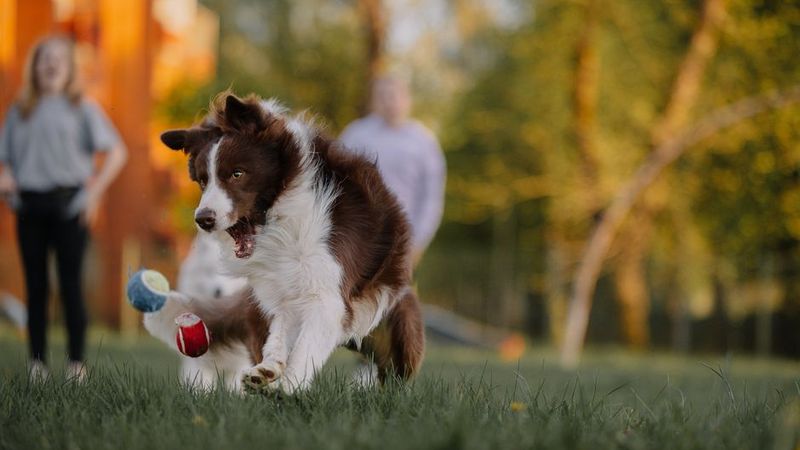
Exercise needs vary enormously by breed, body type, and individual dog, but most dogs fall into one of three rough tiers: low, moderate, or high. Knowing which tier a dog falls into turns a vague goal like "walk the dog more" into something concrete you can actually plan a day around.
This article covers the routine side of exercise: how many minutes a day different tiers typically need, what counts as exercise beyond a leash walk, and how to tell the current amount is not enough. It assumes the dog is already part of the household; for help weighing activity level before choosing a breed, that decision belongs in a different kind of guide than this one.
The Three Energy Tiers and What They Mean Day to Day
Low-energy dogs, often toy breeds, giant breeds, or short-muzzled breeds, are typically satisfied with twenty to thirty minutes of total activity a day, usually split into two or three easy walks plus some indoor play. Moderate-energy dogs need closer to forty-five to sixty minutes a day, often one longer walk and one shorter one, with some off-leash or play time mixed in. High-energy dogs, common among sporting, herding, and many working breeds, often need sixty to ninety minutes or more of real activity, and a walk alone frequently is not enough; they tend to do better with a mix of brisk movement, off-leash running in a safe area, and structured games like fetch.
These numbers describe healthy adult dogs without a medical condition limiting activity. A dog recovering from an injury or managing a chronic condition needs an exercise plan set by a veterinarian, not a general tier.
Daily and Weekly Minutes by Tier
The table below translates each tier into a daily and weekly target. Treat it as a range to work toward rather than a strict minimum that must be hit every single day.
| Energy tier | Daily target | Weekly target | Typical activities |
|---|---|---|---|
| Low | 20–30 minutes | 2.5–3.5 hours | Short walks, sniffing time, light indoor play |
| Moderate | 45–60 minutes | 5–7 hours | Two walks, fetch, a dog park visit, swimming |
| High | 60–90+ minutes | 7–10+ hours | Running, hiking, structured fetch, agility or flirt-pole work, a job or sport |
Weather, age, and health all shift these numbers. A hot, humid afternoon calls for shorter, earlier, or later sessions rather than skipping exercise outright, and a dog with a short muzzle needs extra caution in heat regardless of its tier.
What Actually Counts as Exercise
A leash walk at a steady pace covers physical movement but often leaves a dog's brain underused, which is part of why a tired-looking walk sometimes fails to settle a restless dog. Sniffing time, where the dog is allowed to slow down and investigate a patch of grass or a fence line for several minutes, is physically mild but mentally tiring, and most trainers consider it a legitimate part of a daily routine rather than wasted time.
Fetch, tug, flirt-pole sessions, swimming, structured training drills, and food-puzzle or scent-work sessions all count toward a dog's daily activity total, and a combination usually works better than one long walk alone, especially for moderate- and high-tier dogs. Dog parks and off-leash play with other dogs can also contribute, though they depend on the individual dog's comfort around other animals.
Signs a Dog Is Under-Exercised
An under-exercised dog rarely just looks sleepy; it more often looks restless. Common signs include pacing or circling in the evening, destructive chewing that appears mainly when the dog has been under-active, jumping and mouthing that escalates rather than fades over a walk, and difficulty settling down even well after the day's last activity.
- Zoomies or bursts of frantic running indoors in the evening
- Barking or whining at nothing obvious, especially around the time a walk is overdue
- Chewing on furniture, shoes, or baseboards that is not tied to teething
- A dog that seems to get more excitable, not calmer, after a short walk
Increasing the day's total minutes, and adding a mentally engaging activity rather than just a longer walk, is usually the first thing to try before assuming the behavior is a training problem on its own.
How Exercise Needs Change With Age
Puppies need frequent, short bursts of activity rather than one long outing; a rough guide many trainers use is about five minutes of structured exercise per month of age, twice a day, until the dog is closer to a year old, since over-exercising growing joints can cause problems later. Most dogs reach their peak exercise tolerance somewhere between one and three years old and can typically handle the higher end of their tier's range during those years.
From around seven years old onward, depending on breed and size, many dogs start to need shorter, more frequent sessions instead of fewer long ones, even if their total daily minutes do not drop much right away. A senior dog that slows down noticeably, limps after activity, or seems reluctant to do something it used to enjoy should see a veterinarian before you assume it just needs less exercise.
Building Exercise Into a Realistic Routine
Matching minutes to a tier only works if the plan fits an actual week. A high-tier dog that only gets real exercise on weekends will likely show restless behavior on weekdays no matter how good Saturday's hike was. Splitting the week's total across every day, even in smaller daily doses, tends to produce a calmer dog than concentrating it into one or two big sessions.
A dog walker, midday break from a neighbor, or a short indoor game during a lunch break can cover a workday gap for moderate- and high-tier dogs. If you are unsure which tier fits a dog you already have, matching its breed's typical exercise score against the schedule you can realistically offer is a useful gut check before changing anything else in its day.
Common mistakes
- Assuming one leash walk, regardless of length, automatically meets a high-energy dog's needs
- Giving a growing puppy long, intense exercise sessions meant for an adult dog
- Treating all exercise as physical and skipping mentally tiring activities like sniff walks or puzzles
- Cutting a senior dog's activity to zero instead of shortening and splitting it
- Only exercising a dog on weekends and expecting weekday behavior to stay calm
Frequently asked questions
Is a 20-minute walk enough exercise for any dog?
It is usually enough for a low-energy breed but typically falls short for moderate- and high-energy dogs, who tend to need closer to 45 to 90 minutes split across the day.
Can a dog get too much exercise?
Yes, especially puppies with still-developing joints and brachycephalic (short-muzzled) breeds in heat; both need their activity capped and monitored rather than pushed to match a high-energy tier.
Does mental exercise really replace physical exercise?
It supplements rather than fully replaces physical activity, but a food puzzle or training session can noticeably reduce how restless a dog seems even on a lighter physical-activity day.
How do I know which energy tier my dog falls into?
Breed tendencies are a starting point, but watch the individual dog's actual behavior after different amounts of activity, since mixed breeds and individual temperament can shift a dog above or below its breed's typical tier.